

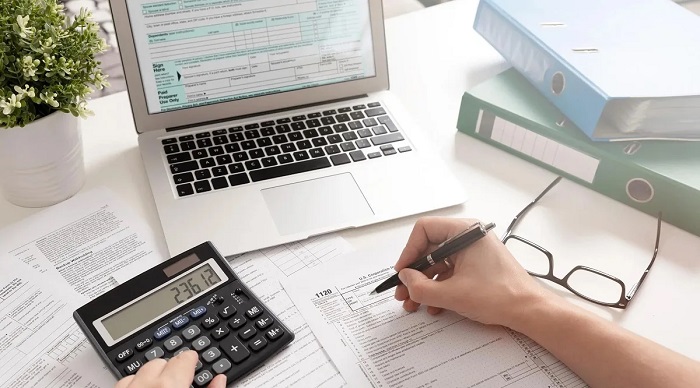
Efficient tax preparation is a key aspect of successful business management and tax compliance. Proper documentation organization and timely reporting help avoid fines and penalties and significantly simplify interactions with tax authorities. Given complex tax requirements and constant legislative changes, it is important to know the basics of tax preparation services and adhere to current rules.
To ensure accurate and timely reporting, it is recommended to use proven methods and seek professional assistance from tax accounting specialists. This will reduce the risk of errors, optimize tax liabilities, and improve the company’s financial transparency.
How to Prepare and Organize Income and Expense Documents for Tax Reporting
To successfully submit tax reports, it is important to properly prepare and organize all documents related to business income and expenses. Accuracy and clarity in accounting help avoid errors and penalties, and facilitate audits by tax authorities.
The main goal is to create a convenient and structured document storage system that will allow you to quickly find the necessary information in case of an audit or emergency. Follow the recommendations and tips below to achieve this goal.
Recommendations for Preparing and Organizing Tax Documents
- Create a unified accounting system – maintain electronic and paper documentation in special folders or digital files by category: income, expenses, taxes, deductions, etc.
- Use standardized forms and templates – prepare documents according to a uniform template, which will simplify their completion and verification.
- Update accounting data regularly – enter information immediately after receiving documents or completing a transaction to avoid forgetting and errors.
- Monitor the correctness of document execution – check the presence of all details, signatures, and seals (if necessary).
- Pay attention to document storage – adhere to retention periods in accordance with legislation, use secure media and backups Copies.
Summary
Efficient preparation and systematization of income and expense documents help businesses maintain transparent and accurate records for tax reporting. Adherence to accounting rules, the use of standardized forms, and timely data updates ensure timely submission of reports and minimize the risk of errors and penalties.
Remember that proper document organization is the key to a smooth workflow and confidence in the accuracy of tax reporting. Continuously improving your accounting system and following established rules will help your business successfully meet tax obligations and avoid problems with tax authorities.